
“Electrolytes” is a real chemical term. It is also prominent packaging language. The difficulty is deciding when the contents answer a real need and when the label simply makes ordinary hydration feel incomplete.
Start with the conditions, rather than the product: a desk day, a short workout, and a long session in the heat are different situations.
What an electrolyte actually is
In this context, electrolytes are substances that provide dissolved ions—electrically charged species such as sodium and potassium ions. These ions have roles in fluid balance, nerve signaling, and muscle function.
Potassium is concentrated mainly inside cells, while sodium is central to the fluid outside them. The NIH Office of Dietary Supplements explains how the difference across cell membranes supports normal function. The chemistry is essential; buying it as a powder is a separate decision.
When plain water is a reasonable starting point
For most healthy people doing short exercise in ordinary conditions, water is generally sufficient. An American College of Sports Medicine overview uses exercise lasting less than an hour as a practical starting point and distinguishes sports drinks from energy drinks.
Duration is not a rigid dividing line. Heat, intensity, individual sweat losses, and access to food all affect the situation. Prolonged activity or substantial sweating can make a more deliberate fluid-and-electrolyte plan useful. ACSM’s hydration overview also notes that ordinary foods can contribute electrolytes; commercial products offer convenience rather than a universal necessity.
Read amounts, not the number of minerals
Use the label to answer a few concrete questions:
- How much sodium is in the prepared serving? Compare that amount with the intended use rather than assuming that a longer ingredient list is better.
- How much potassium is included? Essential does not mean that everyone needs an additional dose.
- What else is in it? Carbohydrate, caffeine, sweeteners, and flavorings change what you are buying. An electrolyte drink and an energy drink are not interchangeable categories.
- What volume does the serving require? A packet is a quantity of ingredients, not a concentration until it is mixed.
A front label may say “advanced hydration.” The back label tells you the quantities and preparation instructions. Begin there.
Why concentration deserves attention
Osmolality describes the number of dissolved particles per kilogram of solvent. It helps describe a solution, but it is not a consumer quality score where more always means better. The National Athletic Trainers’ Association position statement places fluid and solute balance in the context of individual activity and losses.
The dilution arithmetic is straightforward. If a serving contains 500 mg sodium and is intended for 500 mL water, that is 1,000 mg per liter. Put the same serving into 250 mL and the concentration doubles to 2,000 mg per liter. This is an illustrative calculation, not a recommended dose.
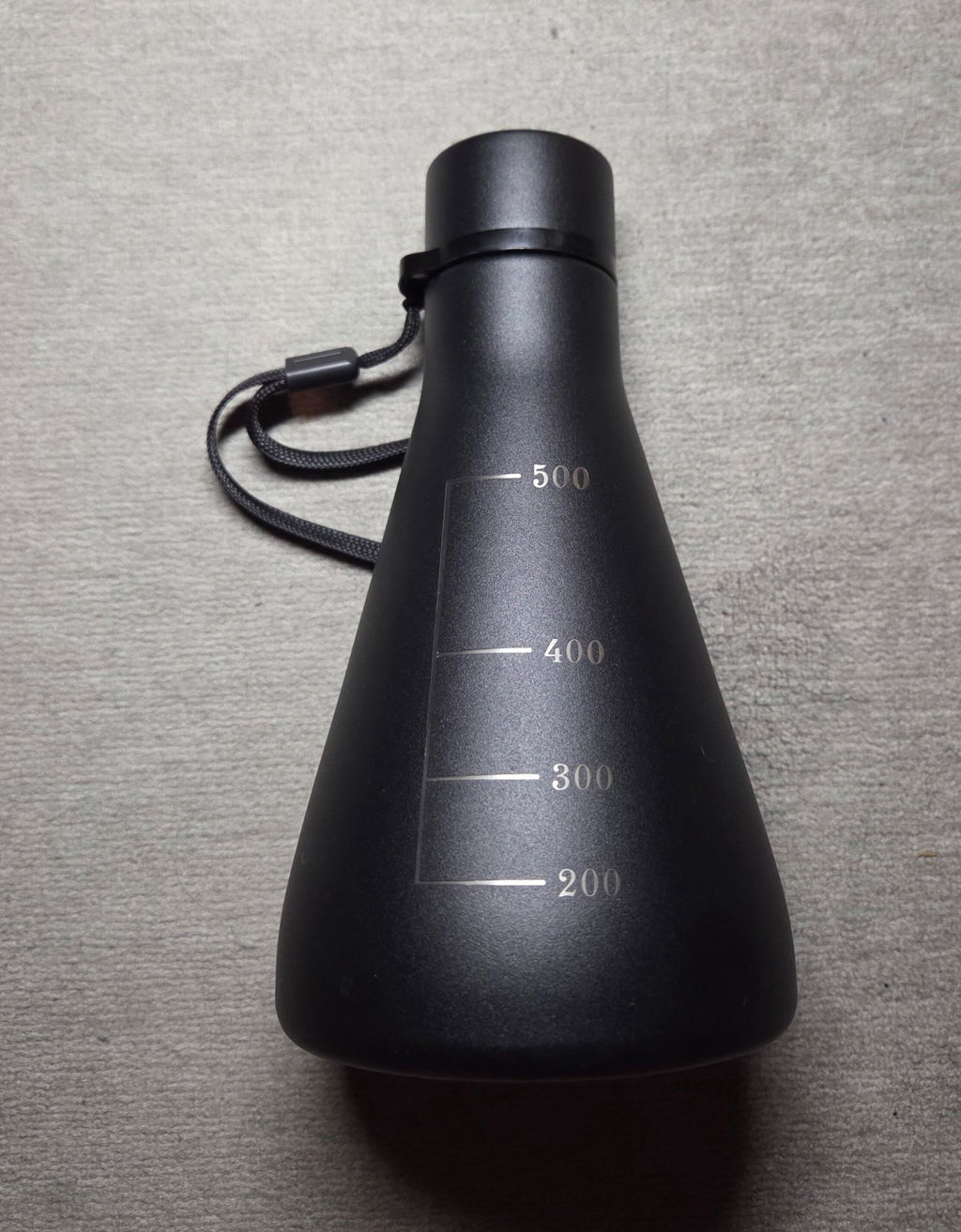
Follow the product’s mixing directions. If your bottle is smaller than the specified volume, prepare the drink in a suitably sized measuring container and transfer what fits. Do not treat decorative graduation marks as precision dosing equipment.
More fluid is not always better
Excessive drinking during exercise can contribute to dangerously low blood sodium. Electrolytes do not make unlimited fluid intake safe. NATA recommends plans matched to the individual rather than a goal of drinking as much as possible.
If you have kidney disease, a prescribed fluid or sodium restriction, or take medicines affecting potassium, ask your clinician before adding electrolyte supplements. A packet designed for sport is not a substitute for medical treatment or a clinical oral rehydration product.
Build the routine around the task
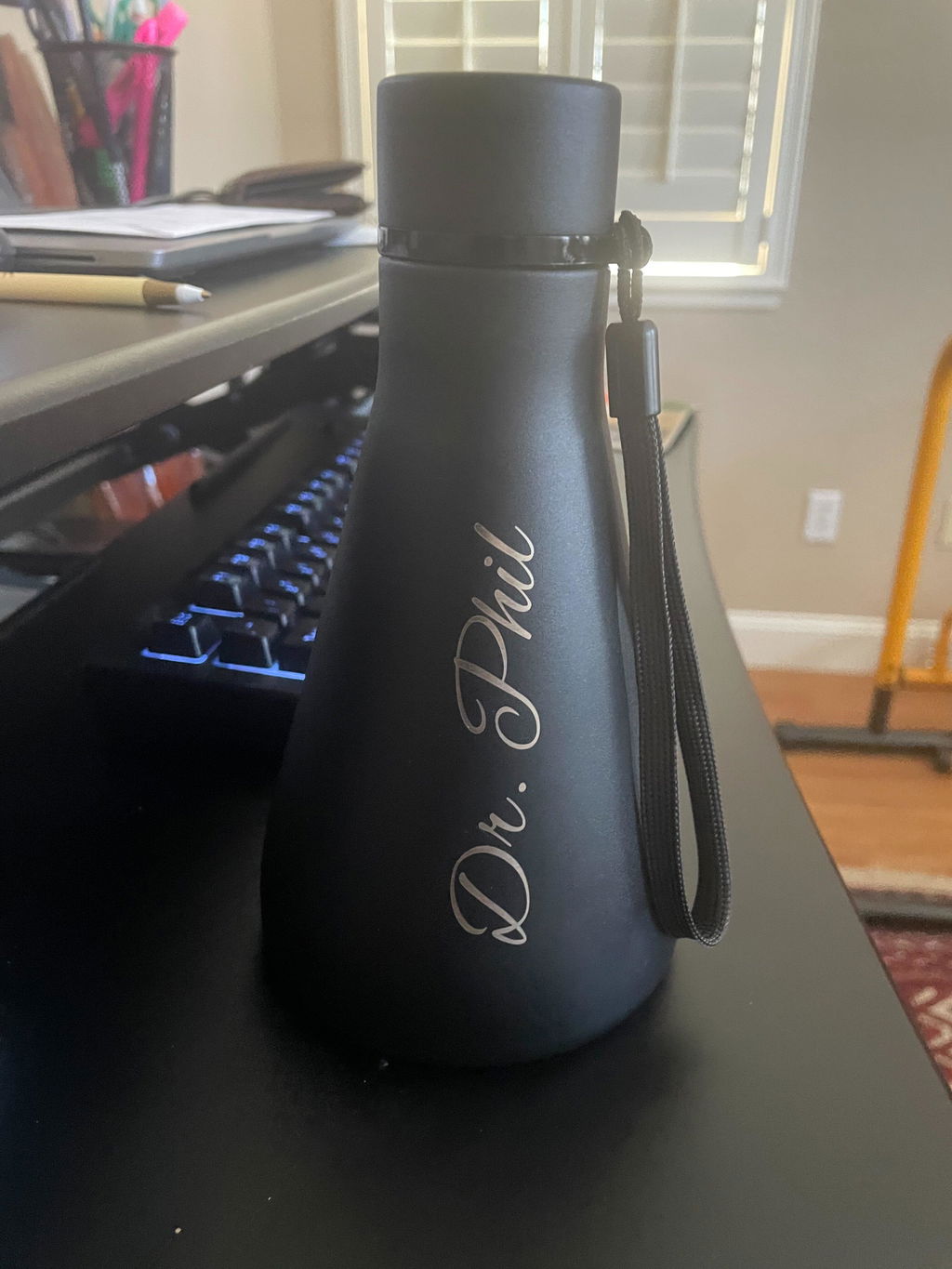
A useful everyday bottle can make water easier to carry and remember. It does not change your physiology or remove the need to follow mixing instructions. Our 440 mL Flask Vessel is a vessel for that routine, not a hydration treatment.
The sound question is specific: what am I replacing, under which conditions, and in what amount? A label becomes much easier to assess once those variables are clear.