
“Water from desert air” sounds like a trick until you separate the problem into steps. Water vapor is already in the atmosphere. The challenge is capturing it at low humidity, releasing it when needed, and collecting the liquid efficiently.
Metal–organic frameworks, usually shortened to MOFs, offer one approach. Their appeal lies in a structure built around accessible internal space.
A material designed around its pores
MOFs combine metal-containing units and organic linkers into networks. Their internal surfaces can interact with guest molecules. Changing the building blocks changes the framework’s properties, so “MOF” describes a broad family rather than one universal material.
The 2025 Nobel Prize in Chemistry recognized Susumu Kitagawa, Richard Robson, and Omar Yaghi for the development of metal–organic frameworks. Water harvesting is one application of this larger field.
Capture, release, condense
A 2017 study in Science demonstrated atmospheric water capture using MOF-801 and heat from sunlight. Water adsorbs onto the material’s internal surfaces. Heating then helps release the captured water so a device can condense and collect it.
Adsorption is the key word: molecules gather at surfaces. It is different from imagining a hollow tank simply filling with liquid. The material and the device work together; a good sorbent alone does not deliver water into a cup.
A 2018 follow-up took a prototype into the Arizona desert and examined the practical requirements for production. That step matters because a promising laboratory material and a working outdoor system face different constraints.
The questions that determine usefulness
When assessing a water-harvesting claim, look beyond the largest output number:
- Humidity and temperature: Under what conditions was the water collected?
- Time and mass: Is output reported per cycle, per day, or per kilogram of material?
- Energy: What supplies heating, cooling, and air movement?
- Durability: How does the system perform after repeated use?
- Water quality: What testing and treatment support the intended use?
These are engineering questions, not reasons to dismiss the chemistry. They make comparisons meaningful.
The container comes after the chemistry
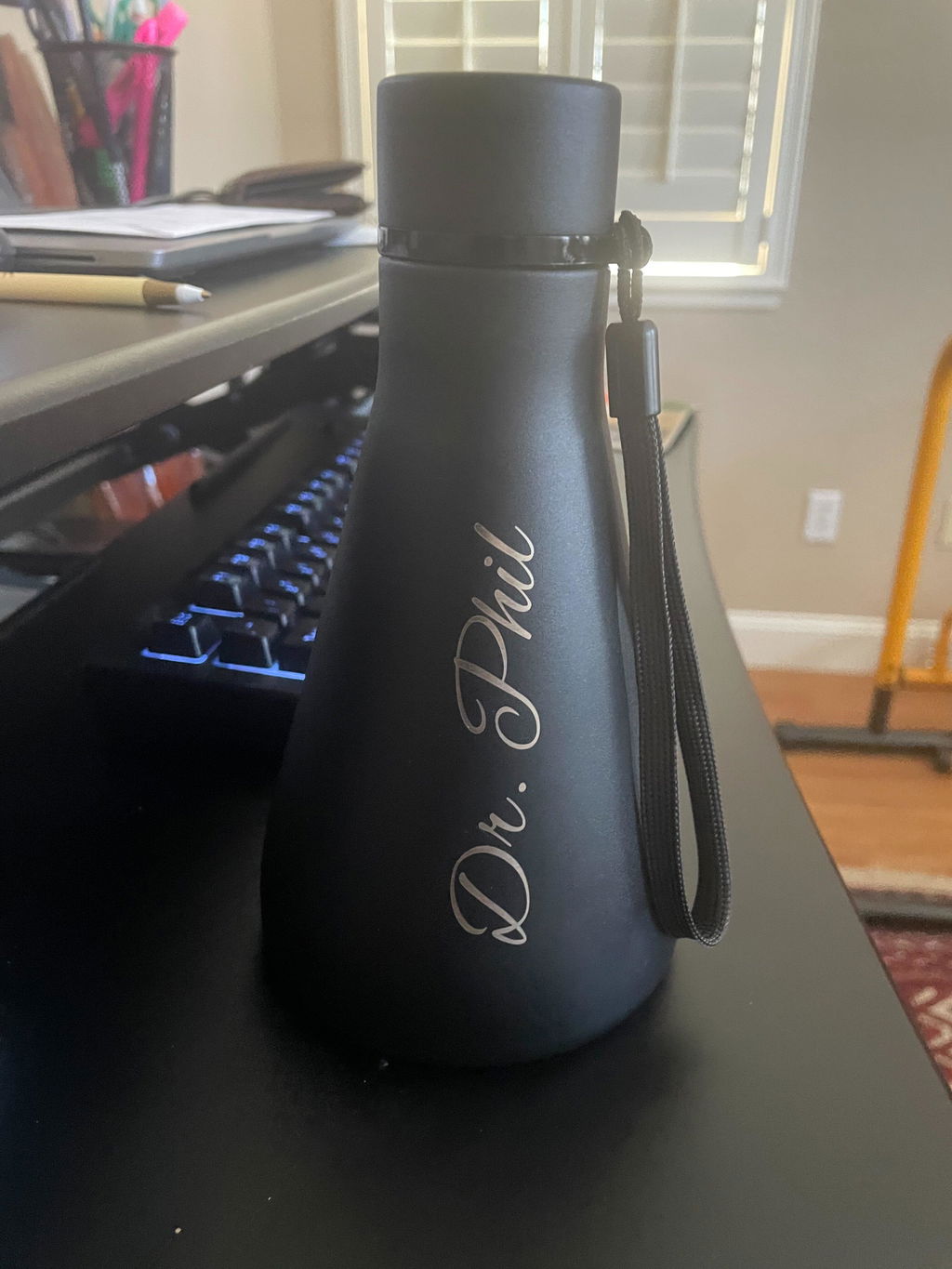
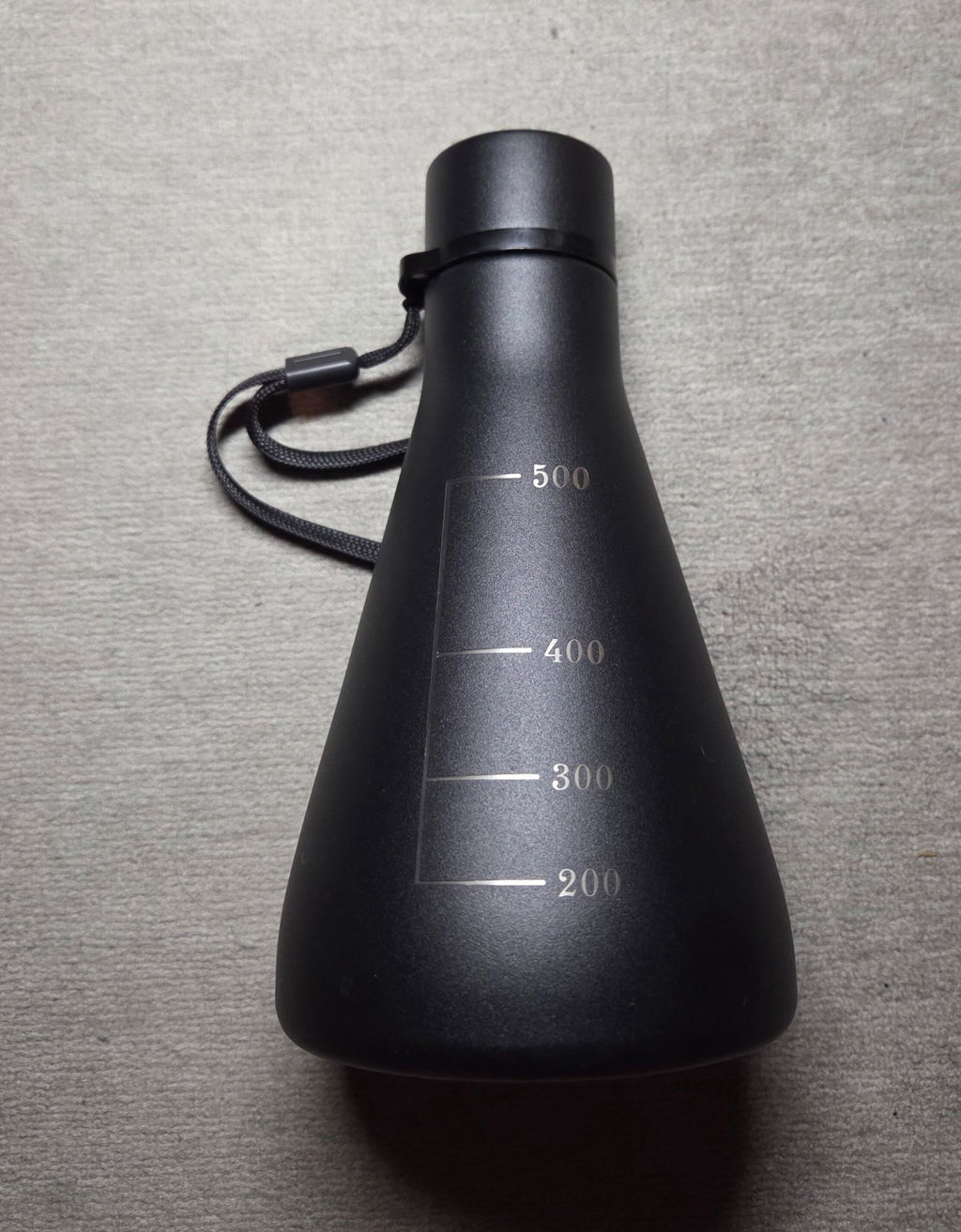
Our Flask Vessel carries water; it does not harvest or purify it. The connection is curiosity about materials, rather than a shared function.
MOFs make a strong lesson in why structure matters. Sometimes the most useful part of a material is the space its atoms leave open—and the surfaces that define that space.